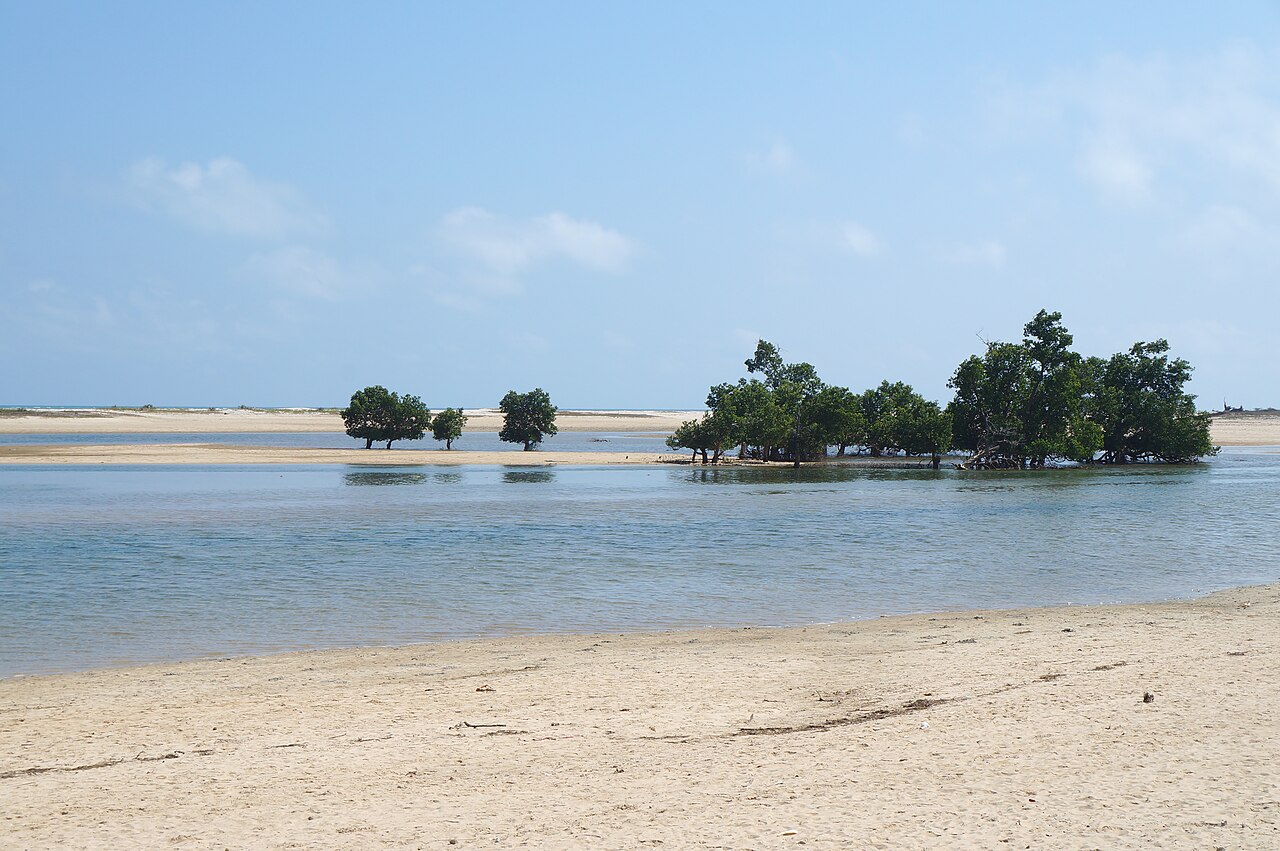
A UNESCO biosphere reserve
Since 2016, Belo-sur-Mer has been part of the “Belo-sur-Mer – Kirindy-Mite” Biosphere Reserve. According to UNESCO, it lies where the western and southern plant zones of Madagascar meet, which explains its great diversity of species.
It is a mosaic of rich but fragile habitats:
- dry forests, thickets and thorn forests;
- savannahs and tannes, salty, marshy depressions;
- mangroves;
- coral reefs and islets.
At sea
According to UNESCO, the reef is a feeding area for large marine wildlife: humpback whales, dolphins, dugongs and sea turtles. The Guide du Routard says humpback whales pass offshore from June to October. This period still needs to be confirmed locally.
Kirindy Mitea National Park
The neighbouring Kirindy Mitea National Park is managed by Madagascar National Parks. It has covered 156,350 hectares since its extension. According to UNESCO, it is home to the largest population of Adansonia grandidieri baobabs (about 500,000 trees), as well as endemic species such as the fossa, Verreaux’s sifaka, Madame Berthe’s mouse lemur and the giant jumping rat.
Plan your visit with a guide, and check access conditions before you go.
The sacred lakes
The reserve has two sacred salt lakes, home to the lesser flamingo. These places matter to local communities: we deliberately publish neither photos nor precise locations of them.
Watch without disturbing
- Keep your distance from animals, at sea and in the forest.
- Do not feed wildlife, and do not collect shells or coral.
- At natural sites, follow the instructions of your guide and of local people.
- This website will never publish the precise location of nests, nesting sites or sensitive species.